

Search Our Inventory: Row Crop Tractor
Search Our Inventory: John Deere 5075E
Search Our Inventory: Skid Steers
Search Our Inventory: John Deere 8370R
Search Our Inventory: Frontier Rotary Cutter
Search Our Inventory: Cotton Picker
Search Our Inventory: Lawn Mower
Search Our Inventory: John Deere Gator
Search Our Inventory: Tillage
Search Our Inventory: Zero-Turn Mower
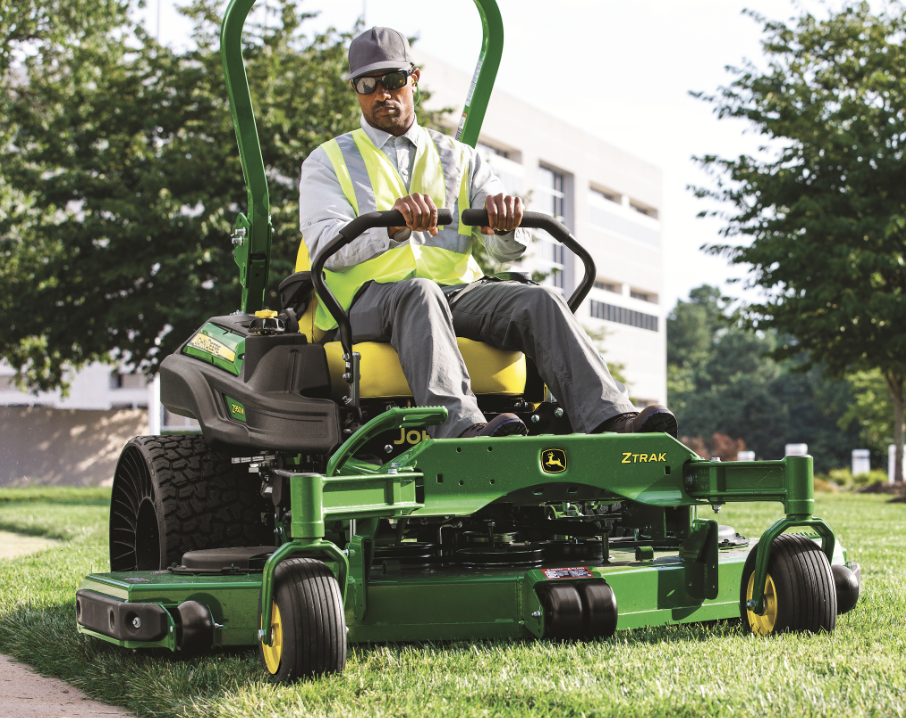
Spring Commercial Mower Maintenance Guide for Houston Landscapers: Daily, Weekly & Monthly Checklist
Spring commercial mower maintenance is one of the highest-leverage investments a Houston landscaping operation can make. Commercial zero-turns and stand-on mowers can log hundreds of hours in a single spring season — and in Houston's heat and humidity, that constant use demands a structured daily, weekly, and monthly service routine. It protects the machine, protects the crew, and protects the business. Here’s what you need to know about maintenance this spring.
Daily Commercial Mower Maintenance: Pre-Shift Checklist
Commercial mowers take on way more than residential models, requiring more frequent check-ins for high-performance cutting. Your daily maintenance doesn’t need to be complicated. It only takes 10-15 minutes to prevent the majority of in-field breakdowns
Pre-Operation Walk-Around Inspection
Every inspection should start with a brief walk-around to identify any major signs of damage. Check for visible damage to the deck, frame, and cutting components from the prior day's work. Inspect for fluid leaks from your engine oil, hydraulic fluid, or coolant before starting. Once your mower is on, test all lights, gauges, and alarms for functionality; clean or replace air intake screens to prevent blockages. Finally, confirm safety switches (seat, blade engagement, parking brake) are functioning properly.
Fluid Level Checks
Making sure all your fluids are topped off before a busy day can prevent you from many issues delaying your progress. In hot Houston conditions, engines can run harder than normal. Checking your dipstick every day before operation can prevent avoidable breakdowns mid-job. To check your coolant level, inspect the recovery tank when the engine is cold. For hydraulic oil, visually check the reservoir level and scan for leaks at hose connections.
Tire Pressure
Uneven tire pressure affects the mower's stability and cutting evenness, and a bad cut can cost you a contract. Keep clients happy and uphold your reputation by checking all tires with a reliable gauge and inflating to the manufacturer-specified PSI before each shift.
Blade Condition Check
A blade that was in good shape yesterday may have taken a hit on the last job of the day. Before you start your day, look at the blades. No need to do a full inspection, just checking for obvious chips, cracks, or bends that would affect cut quality or create extra vibration. Anything questionable can be saved for the weekly sharpening rotation.
Deck Cleaning
Wet grass clippings stuck to the underside of your deck can create buildup that leads to rusting if left unattended overnight. Prevent the wear by blowing your mower down with compressed air at the end of every shift. Pay extra attention to the transmission area and around the engine cooling fins. You don’t need to give it a full wash; this removal of debris only takes five minutes and adds years to the machine’s service life.
Fuel Check
Save yourself time in the morning by topping off your fuel at the end of the day. It’s important to note that ethanol-blended fuel can begin to degrade in as little as 30 days, leaving varnish deposits that clog fuel systems. In a commercial operation where machines run daily, this usually isn’t an issue, but be mindful of fuel sitting in cans or tanks over weekends or short shutdowns.
Weekly Commercial Mower Service: What to Inspect Every 7 Days
Weekly maintenance is where you catch the things that develop over time. Think a belt starting to glaze, a blade that’s past the point of sharpening, or an air filter that’s accumulated a week’s worth of pollen and clippings. Block 30-35 minutes at the end of the week and work through this list.
Air Filter Inspection and Cleaning
Pollen, humid air, grass clippings, and more — all things common during the spring season in Houston — can load up your air filter pretty quickly. During peak mowing season, the filter needs attention weekly. A clogged air filter forces the engine to work harder in conditions where it’s already fighting the heat. This can reduce overall performance and result in a shortened engine life. You can clean your filter by tapping paper elements gently to dislodge loose debris. If the filter looks heavily soiled or won’t clean up with a tap, it’s time to replace it.
Blade Sharpening
This is the maintenance task that has the most direct impact on the quality of the work your crew delivers. Sharp blades cut grass cleanly, allowing the plant to heal quickly. Dull blades tear the grass instead of cutting it, leaving ragged, brown-tipped turf that can leave clients dissatisfied. Aim to sharpen your blades at least once a week at a minimum.
Belt Inspection
Most commercial zero-turn mowers run at least two belts — one driving the deck and one handling the transmission or hydraulic drive. Once a week, inspect every belt for cracking, fraying, glazing, or uneven wear. Check tension on each belt according to the operator’s manual spec. Belt tension that was correct at the beginning of the season can loosen as the belt breaks in. During peak season, the last thing you want is belt failure in the field, causing your crew to be down until someone can get a replacement.
Deep Deck Cleaning
Your daily cleanings remove the debris on the surface, but once a week, you need to go underneath for a deeper cleaning. Grass that has packed and dried onto the underside of the deck doesn’t come off with a blower; it has to be scraped. Use a plastic scraper or a wooden tool to protect the deck coating, and clear out the discharge area and around each spindle. Buildup in these areas reduces airflow under the deck, which directly affects lift and cut quality. In Houston, where Bermudagrass and St. Augustine produce dense, wet clippings, this buildup happens faster than most operators expect.
Grease Fittings
Weekly greasing is one of the fastest maintenance tasks on this list, and it provides a high return. It takes ten minutes and prevents failures that would take hours to repair. Every mower has grease fittings on the deck spindles, caster wheel pivots, and various linkage points. These need fresh grease weekly. Apply grease through each fitting with a grease gun until you see fresh grease seeping from the joint. This is how you know the old grease has been pushed out and the bearing is freshly lubricated.
Deck Leveling
The deck level shifts gradually over the season from vibration, deck impacts with curbs and terrain variation, and normal daily use. An unlevel deck produces an uneven cut across the width of the machine, and on commercial accounts, that shows up immediately on the turf. Once a week, use a level to verify deck height is consistent across multiple measurement points and adjust the leveling system as needed. This keeps cut quality consistent across every property your crew maintains.
Battery Inspection
Houston’s spring heat is hard on batteries. A battery that starts the season strong can weaken significantly over the course of a few months in high-heat, high-use conditions. Check weekly for corrosion buildup at the terminals and clean it off with a wire brush if present. On non-sealed batteries, check the fluid level.
Monthly Commercial Mower Maintenance: Engine, Hydraulics & Fuel
Monthly maintenance is where you address the systems that daily and weekly checks can’t fully cover, like the engine oil and filter, the fuel system, the hydraulics, and the structural hardware. Block one to two hours for a thorough monthly service.
Engine Oil and Filter Change
For commercial operators running machines in Houston’s spring and summer conditions — high ambient temperatures, high humidity, and heavy workloads — oil and filter changes need to happen more frequently than the residential-use intervals. Dust, fine debris, pollen, and moisture all find their way into the oil supply over time, and contaminated oil loses its ability to protect engine components under high-temperature operation. Always change the filter at the same time. A new filter on old oil, or old filter on new oil, defeats the purpose of the service.
Fuel Filter Inspection and Replacement
The fuel filter keeps particles out of the carburetor or fuel injection system and helps the engine run cleanly and efficiently. In a commercial operation where machines burn through fuel daily, the fuel filter sees significantly more flow than it would in residential use, degrading faster as a result. Inspect the fuel filter monthly and replace it according to the schedule in your operator’s manual. This is an inexpensive part that prevents expensive repairs.
Hydraulic System Service
The hydraulic system drives the zero-turn function that makes your machines productive on commercial properties. Inspect all hydraulic hoses and fittings monthly for cracking, wear at connection points, or any sign of seeping fluid. Check the hydraulic fluid level and condition. Most commercial zero-turn hydraulic systems call for an initial fluid and filter change at around 75 hours, with subsequent changes every few hundred hours depending on the machine. In a busy spring operation, 75 hours can arrive in just a few weeks. Track your hours and don’t put off your hydraulic service. Hydraulic system repairs are among the most expensive your machines will ever face.
Spark Plug Inspection
Fouled or worn plugs cause hard starting, rough idle, misfires, and fuel waste, costing you in the long run. Pull and inspect spark plugs monthly. Look for heavy carbon fouling, worn electrodes, or cracked porcelain. Replace any plug that shows these signs, and install new plugs to the torque specification in the operator’s manual. In a fleet operation with multiple machines running daily, replacing plugs on a preventive schedule rather than waiting for symptoms is more efficient and less disruptive to operations.
Cooling System Inspection
Air-cooled engines rely on clean cooling fins to dissipate heat. Fins clogged with debris can’t shed heat effectively, and engines that run hot wear out faster. Clear the cooling fins and air intake areas of any packed debris monthly. On liquid-cooled commercial units, inspect hoses for cracking or softness and verify coolant level and condition. This matters especially in Houston. By late April, temperatures in direct sun are already climbing toward the upper 80s, and an engine fighting to cool itself under load shortens its lifespan significantly.
Keep Your Fleet Ready. Keep Your Season on Track.
Spring in the Houston area is a huge revenue opportunity, but only for the operators who can deliver consistently all season long. A daily ten-minute check. A weekly thirty-minute service review. A monthly two-hour deep inspection. That’s all it takes to get you through peak season and save you time, money, and productivity in the field.
At King Ranch Ag & Turf, we stock the John Deere commercial mowing equipment Houston area landscapers rely on — and the parts, service, and factory-trained technicians to keep that equipment running at its best. Whether your fleet needs a scheduled service, a replacement part, or a pre-season inspection before the season kicks into high gear, our team is ready to support you.
Frequently Asked Questions
How often should commercial lawn mowers be serviced in Houston?
Commercial mowers in the Houston area need maintenance at three intervals:
- Daily (10–15 min): Fluid levels, tire pressure, blade inspection, safety switches, end-of-day deck cleaning
- Weekly (30–45 min): Air filter, blade sharpening, belt inspection, deep deck cleaning, grease fittings, deck leveling
- Monthly (1–2 hrs): Oil and filter change, fuel filter, hydraulic system check, spark plugs, hardware tightening
Houston's heat and humidity accelerate wear faster than most manufacturer-printed service stickers assume for commercial use.
How often should commercial mower blades be sharpened?
At a minimum, once per week during active mowing season. In high-volume operations running through dense Bermuda grass and St. Augustine properties daily, blades may need rotating more often.
The most efficient system: keep a spare, sharpened set. Swap them in at the weekly service, send the used set for sharpening, and repeat. Always check blade balance after sharpening — an imbalanced blade vibrates and destroys spindle bearings fast.
How often should engine oil be changed on a commercial zero-turn mower?
At least monthly during peak season for Houston commercial operations. High heat, sustained full-load operation, and debris levels in the Houston environment degrade oil faster than residential use. Always change the filter at the same time. Consult the operator's manual for the correct oil weight and API rating for your specific engine.
How often should commercial mower hydraulic fluid be changed?
Most commercial zero-turn hydraulic systems require an initial change at approximately 75 hours, with subsequent changes every few hundred hours per the manufacturer's spec. In a busy Houston spring operation, 75 hours can arrive in just a few weeks. Track your hours and don't let hydraulic service slide — hydraulic repairs are among the most expensive your machine will ever need.
How do I know if my commercial mower deck belt needs replacing?
Inspect belts weekly and replace if you see cracking, fraying, glazing (a shiny hardened surface at the pulley contact points), or uneven wear across the width. A belt that can't be brought back to proper tension through adjustment is also done. In the field, a failing belt shows up as inconsistent blade engagement, reduced cutting power under load, or squealing during operation. If it's questionable going into spring, replace it before the season — a belt is a fraction of the cost of mid-season downtime or secondary damage to spindles and pulleys.
Where can Houston-area landscapers get commercial mower service and parts?
King Ranch Ag & Turf is a John Deere dealer with multiple locations serving Houston and the surrounding East and South Texas region. Factory-trained technicians, comprehensive parts inventory, and mobile field service capabilities are available at locations including Houston South, Houston West, Spring, Conroe, Katy, Hockley, and League City.
Visit kingranchagturf.com to schedule service.
