

Search Our Inventory: Row Crop Tractor
Search Our Inventory: John Deere 5075E
Search Our Inventory: Skid Steers
Search Our Inventory: John Deere 8370R
Search Our Inventory: Frontier Rotary Cutter
Search Our Inventory: Cotton Picker
Search Our Inventory: Lawn Mower
Search Our Inventory: John Deere Gator
Search Our Inventory: Tillage
Search Our Inventory: Zero-Turn Mower
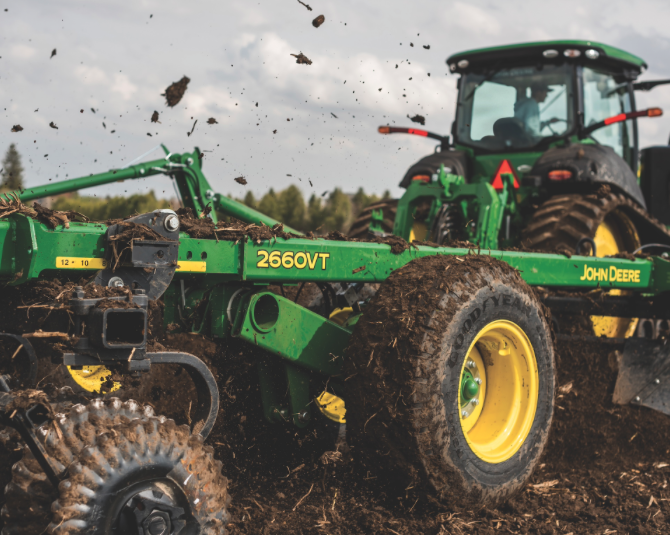
Service John Deere Irrigation and Tillage Equipment Before the Texas Summer Heat Peaks
Texas summers don’t ease up, and neither does the work. Temperatures routinely exceed 100 degrees, and the humidity makes conditions nearly unbearable, placing additional thermal stress on machinery. But this isn’t a slow season; work must be done. Servicing your John Deere irrigation and tillage equipment now, before the heat reaches its worst, is the difference between a productive season and a costly breakdown when you can least afford it. At King Ranch Ag & Turf, we've been walking in the same boots for over a century. Here's what we'd check before summer takes hold.
Cooling Systems: Don't Let Your Equipment Overheat Before You Do
Your engine works as hard as you do, and without a proper cooling system, it runs the risk of burning out. High temperatures ranging from 95 to 110 degrees are at high risk of cooling system failure and thermal overload. John Deere equipment depends on efficient heat dissipation, and when that system is compromised, internal temps can spike fast, leading to warped heads, blown gaskets, or full engine seizure. A mid-season failure can mean hundreds or thousands in repairs and days — or weeks — of lost productivity during hay season, irrigation cycles, or field prep. Don't let a dirty radiator or low coolant be the reason you're sidelined.
What to inspect and service:
Clean the radiator. Chaff, dust, and debris restrict airflow through the radiator core. Use compressed air to blow out buildup from the core and external screens. Inspect fins for bending or damage and straighten or replace as needed.
Verify coolant levels and condition. Check for discoloration — rust or milky coloring signals degradation or internal leaks. A 50/50 mix of John Deere Cool-Gard II or equivalent is recommended for Texas conditions; improper concentration reduces boiling point protection and puts your engine at risk.
Hoses and Belts: Small Cracks, Big Consequences
Extreme heat mixed with humidity is hard on rubber. In East and South Texas, a hose or belt that held up through March can be on the edge of failure by July. Extreme temperatures accelerate cracking, drying, and hardening. A blown radiator hose or snapped belt in the field means towing costs, service delays, and lost time. All of it is preventable with a pre-season inspection.
What to inspect and service:
Inspect all hoses. Look for soft spots, swelling, cracking, or brittleness, especially near the ends where heat stress concentrates around clamps. Replace anything showing signs of cracking, oil contamination, or external abrasion.
Inspect and replace worn belts. Check for fraying, glazing, cracking, or uneven wear. Measure tension against the manufacturer's spec. A belt that's too loose slips under load and generates excess heat; one that’s too tight stresses bearings. Either way, it fails early.
Electronics and Precision Ag Features: Protect Your Investment in Technology
Modern John Deere machines are built with technology that expands what you can do in a season. However, technology like John Deere Operations Center, StarFire receivers, AutoTrac, and integrated field monitoring systems is all vulnerable to sustained heat exposure. When electronics malfunction in peak summer, you lose efficiency, accuracy, and the edge that precision ag is supposed to give you. A quick diagnostic before the heat peaks keeps that investment working the way it should.
What to inspect and service:
Run an early electronic diagnostic. Use John Deere Service ADVISOR diagnostics through a certified dealer to surface fault codes and pending error conditions before they become field failures. Inspect wiring harnesses, electronic connections, and connectors for corrosion or chafing. Heat accelerates deterioration fast.
Check cab and controller heat management. A malfunctioning cab AC doesn't just make for a miserable operator; it raises interior temperatures that wear down displays and controllers. Inspect and replace the cab air filter; restricted airflow raises in-cab temps even when the AC unit is functioning correctly.
Verify precision ag sensors and GPS receivers. Inspect StarFire GPS receiver mounting and confirm signal stability. Check field sensors for proper calibration before the season's first run. Intermittent errors flagged now are far easier to resolve than mid-season failures in a remote field.
Tillage Equipment: Get Ahead of Wear Before the Ground Gets Hard
Dry, hard summer soil is demanding on implements. Equipment that's on the fringe going into summer won't hold up against it. Getting ahead of wear now keeps field operations on schedule and eliminates the scramble for emergency parts when every day of downtime counts.
What to inspect and service:
Inspect all tillage components for wear. Check disc blades for wear, cupping, and cracking. Examine shanks and points, coulters, and harrow tines for bending, breakage, or significant wear. Don't overlook the frame and toolbar, weld points and hitch connections are high-stress areas that can fail under the demands of dry, compacted soil.
Lubricate thoroughly. Grease all zerk fittings — disc hubs, coulter bearings, hinge points, and depth adjustment mechanisms — per John Deere service interval specs. Heat breaks down grease faster, so don't shortcut this step. Check gearbox oil levels on any power-driven components and inspect sealed bearings for heat damage, discoloration, or drag. Replace any bearing that shows resistance when spun by hand.
Irrigation Systems: Keep Water Moving When It Matters Most
In South Texas coastal plains and East Texas, reliable irrigation is essential, especially in the summer months. In peak summer heat, a malfunctioning controller, miscalibrated sensor, or leaking line can mean crop stress or loss in a matter of days. Getting ahead of irrigation service now protects both yield and water efficiency at the time of year when drought risk is at its highest.
What to inspect and service:
Check all irrigation controllers. Confirm programming reflects the current crop stage and summer heat conditions. Test each zone manually to verify valves are opening and closing on command — a solenoid valve that sticks open or closed can over- or under-water without any obvious alert. Check backup batteries and power connections. Producers running John Deere or precision ag irrigation management platforms should verify system connectivity and confirm data is syncing correctly.
Calibrate sensors. Inspect and calibrate soil moisture sensors to ensure readings reflect actual field conditions. Check rain and weather sensors for proper function. A failed rain shutoff can run irrigation through a rainstorm. Verify flow meters are reading accurately; blocked lines with normal-looking output readings mask deficiencies that quietly damage yield.
Prevent evaporation loss. Schedule irrigation run times during early morning hours, before the heat of the day drives evaporation rates up. Inspect drip emitters and microsprinklers for clogging from mineral buildup or debris. Walk mainlines and laterals for leaks, joint failures, and UV degradation on above-ground lines.
Getting through a Texas summer takes preparation. The producers who service their equipment now will run through the season. King Ranch Ag & Turf's factory-trained technicians are ready to help, whether that's a full pre-summer service, parts you need in-stock, or mobile service that comes to you.
Schedule your service appointment at your nearest KRAT location today!
Frequently Asked Questions: Servicing John Deere Irrigation and Tillage Equipment Before the Texas Summer
When should Texas farmers service their John Deere irrigation and tillage equipment before summer?
The best time to service John Deere irrigation and tillage equipment in Texas is late spring — before temperatures consistently exceed 95°F. Servicing ahead of peak heat allows technicians to catch cooling system issues, worn hoses and belts, electronic faults, and irrigation system problems before they cause mid-season breakdowns. Waiting until summer is underway risks costly downtime during the most critical weeks of the growing season.
Why is summer heat particularly hard on John Deere equipment in Texas?
Texas summers routinely push past 100°F, with humidity compounding thermal stress on engines, rubber components, and electronics. Sustained high ambient temperatures increase the risk of cooling system failure, accelerate the degradation of hoses and belts, and can cause precision ag features like AutoTrac and StarFire GPS receivers to malfunction. Equipment that's not serviced before peak heat is significantly more vulnerable to mid-season failure.
How do I prevent my John Deere tractor from overheating in the Texas summer heat?
To prevent overheating, start by cleaning the radiator core and external screens with compressed air to remove chaff, dust, and debris that restrict airflow. Inspect radiator fins for damage and straighten or replace as needed. Verify coolant levels and condition — a 50/50 mix of John Deere Cool-Gard II or equivalent is recommended for Texas operating conditions. Also, check that the radiator cap holds proper pressure, as a failing cap is a common and easily overlooked cause of overheating.
What should I look for when inspecting hoses and belts on my John Deere tractor before summer?
Inspect all radiator hoses for soft spots, swelling, cracking, and brittleness near the clamp ends, where heat stress concentrates. Replace any hose showing signs of cracking, oil contamination, or abrasion — heat will accelerate existing damage quickly. For belts, check for fraying, glazing, cracking, or uneven wear, and measure tension against manufacturer's spec. A belt that's too loose will slip under load; one that's too tight stresses bearings. When in doubt, replace it before the season starts.
Where can I get my John Deere irrigation and tillage equipment serviced in Texas before summer?
King Ranch Ag & Turf has 13 locations across East and South Texas staffed with factory-trained, certified John Deere technicians. KRAT offers full-service maintenance and repair for John Deere tillage and irrigation equipment, plus a comprehensive parts inventory for fast turnaround. Mobile service is also available for on-site support. Call or visit your nearest location to schedule a pre-summer service appointment.
