

Search Our Inventory: Row Crop Tractor
Search Our Inventory: John Deere 5075E
Search Our Inventory: Skid Steers
Search Our Inventory: John Deere 8370R
Search Our Inventory: Frontier Rotary Cutter
Search Our Inventory: Cotton Picker
Search Our Inventory: Lawn Mower
Search Our Inventory: John Deere Gator
Search Our Inventory: Tillage
Search Our Inventory: Zero-Turn Mower
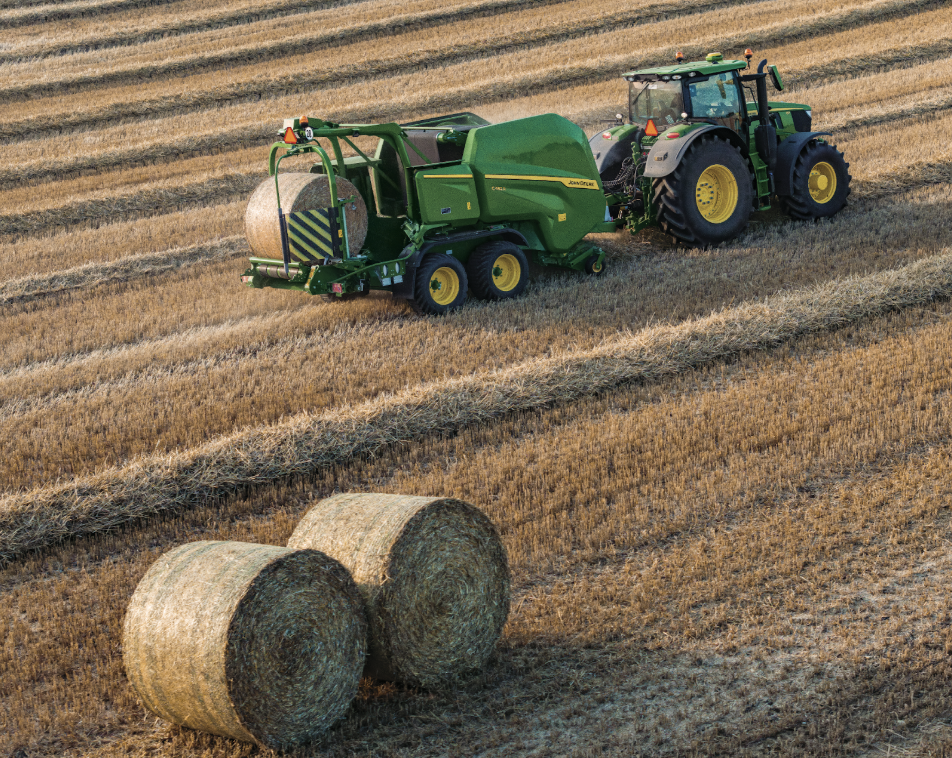
Preparing Your John Deere Hay Equipment for the Spring Cutting Season in the Coastal Bend
Spring hay season in the Coastal Bend waits for no one. Learn how to inspect your John Deere mower conditioners, balers, and tractors before the first cutting.
In the Coastal Bend, there is a tight window between winter dormancy and the first cut of the season, which makes it crucial for farmers to begin pre-season maintenance when the time comes. Warm winters and early spring growth in Nueces, Jim Wells, Kleberg, and surrounding counties mean hay producers often see first cuttings in late March or early April, ahead of the rest of Texas. That's why pre-season maintenance matters. A few hours in the shop now means fewer breakdowns, fewer lost bales, and fewer headaches during your busiest weeks. Before you make your first cut of spring, work through the checklist below to make sure your equipment is ready to go the distance to reduce downtime and yield losses.
Pre-Season Equipment Inspection Checklist
Use this quick-reference checklist to stay organized before the season starts. Detailed guidance for each piece of equipment follows below.
Mower Conditioners
- Cutterbar knives — inspect for wear, sharpness, and damage; replace as needed
- Conditioner rolls or impeller tines — check for wear, cracking, or missing components
- PTO driveline — inspect U-joints, shielding, and slip clutch
- Gearbox oil levels — check and top off per operator's manual
- Gauge shoe settings — verify cut height adjustments are functional
- Hitch and swivel — check for wear, lubrication, and secure attachment
- Belts and drive components — inspect for cracking or fraying
- Grease all daily lubrication points
Balers
- Pickup teeth — inspect for broken or bent tines
- Knotter system (square balers) or net wrap/twine system (round balers) — clean, lubricate, and test
- Belts (round balers) or chains (square balers) — inspect tension and condition
- Bale chamber and rollers — check for wear and debris
- PTO driveline — inspect and lubricate
- Hydraulic system — check fluid levels and inspect for leaks
- Grease all lubrication points
Tractor
- Engine oil and filter
- Coolant level and condition
- Hydraulic fluid
- Air filter — inspect and replace if needed
- Battery — clean terminals, test charge
- Tires — check inflation and inspect for wear or damage
- PTO function and all hydraulic remotes
- Belts and hoses — inspect for wear, cracking, or leaks
Service bays fill up fast as spring gets closer. Scheduling early gets you priority access to factory-trained technicians and genuine John Deere parts — so you're first in line when the season hits.
Mower Conditioner Inspection
Your mower conditioner is the first piece of equipment that will touch your crop, setting the tone for every step of the hay-making process. Sharp knives and properly functioning conditioner rolls are critical to clean cuts and fast dry-down, especially in South Texas coastal humidity.
Cutterbar and Knives
Knife condition is one of the most important factors in hay quality. Dull knives tear the crop instead of cutting, and torn stems dry unevenly and lose nutrient value. Before the season starts, inspect every knife for wear, chipping, or damage, and replace any that don't make the cut. While you're at it, check the cutterbar modules for cracks or damage and clear out any crop debris left over from last season
Conditioner Rolls or Impeller
Conditioner rolls are what accelerate drying after the cut. Any wear or damage to these components directly impacts how fast your hay is ready to bale. Before you start your inspection, identify your conditioner type:
- Rubber/urethane rolls: Look for cracking, chunking, or flat spots that reduce conditioning effectiveness
- Steel rolls (V10 or Tri-Lobe): Inspect for worn or missing crimp flutes and check roll gap/clearance settings
- Impeller: Check V-shaped tines for wear or breakage; ensure proper clearance to the concave
PTO Driveline
The PTO is what puts your tractor's power to work. Inspect all driveline components — belts, U-joints, and the telescoping shaft — for wear, cracking, or excessive play. Lubricate the slip clutch and confirm it's set to the correct torque per your operator's manual. And don't skip the shields: all PTO guarding must be in place and undamaged before anyone operates the machine.
Gearboxes and Lubrication
The gearbox transfers power from the PTO to the cutterbar and conditioning rolls, managing speed and torque so your machine runs efficiently in the field. Low oil accelerates internal gear wear quickly. To avoid this, check the cutterbar oil bath level and inspect for leaks. Grease every daily lubrication point, paying close attention to header pivot points and conditioner roll bearings. While you're underneath the machine, inspect all hydraulic hoses for chafing, cracking, or worn fittings.
Hitch, Transport, and Frame
A solid hitch connection is non-negotiable for safe field operation. Inspect all swivel hitch hardware for wear and verify that every bolt is properly torqued. Confirm that transport locks engage and release correctly, and walk the frame and header looking for cracks, bent components, or impact damage from last season that might have been easy to overlook at the time.
Baler Inspection
Whether you're running a round baler for large hay rings or a square baler for easier handling, the baler is the most mechanically complex piece of hay equipment on your operation. Pre-season is the time to find worn components, recalibrate systems, and stock critical parts.
Pickup System
The pickup system's job is simple: to cleanly lift cut forage from the field and deliver it into the bale chamber without loss or disruption. Walk the entire pickup reel and check every tooth. Broken, bent, or missing teeth cause crop loss and can jam the feeding system at the worst possible moment. Inspect the auger (if equipped) for damage and confirm it rotates freely without obstruction. Pay particular attention to pickup reel bearings. Bearing failure is one of the most common causes of unplanned field downtime, and it's entirely preventable with a pre-season check.
Belts and Chains
Round balers: Inspect all bale-forming belts for cracking, fraying, splice wear, or tracking issues. A belt that's showing significant wear at the start of the season won't make it through. Replace it now rather than mid-field
Square balers: Inspect drive chains for stretch, wear, and adequate lubrication. Worn sprockets accelerate chain wear, so replace both together if either is borderline
Bale Chamber and Rollers
Inspect chamber rollers and bearings for wear, rough rotation, or excessive play. Verify that chamber pressure and density settings are correct and that the hydraulic tensioning system functions smoothly on round balers. Clear any accumulated crop residue from chamber surfaces before the season starts. Buildup can affect bale formation and become a fire hazard in dry conditions.
Hydraulic System and Electrical
Check hydraulic fluid level and inspect every hose and fitting for leaks or wear. Then turn your attention to the wiring harness and inspect for chafed insulation, corroded connectors, or damaged plugs. In South Texas, the salt-air environment accelerates electrical corrosion faster than producers in other parts of the state typically see, so this step requires your full attention. Test all indicator lights and monitor functions if your baler is equipped with them.
Pre-Season Test Run
After you have checked everything off your list, take the baler for a low-speed PTO test run before heading to the field. Listen for unusual noises or vibrations. Then, bale a small test batch and evaluate bale density, shape, and tie or wrap performance. It only takes a few minutes, and it's the most reliable way to confirm everything is dialed in before you commit to a full cutting.
Tractor Inspection
Your tractor is the star of every hay operation; without it, there is no show. A thorough pre-season inspection protects your investment and keeps your entire hay line running through the spring.
Fluids
Fluids keep your tractor's most critical systems cooled, lubricated, and protected under load. Checking and maintaining proper levels before the season is one of the simplest and most effective things you can do to extend equipment life.
Engine oil: Check level and condition; change oil and filter if approaching service interval or if oil appears dark or contaminated
Coolant: Check level and verify coolant condition — South Texas summer temperatures put maximum demand on the cooling system; a full flush may be appropriate if it's been more than two years
Hydraulic fluid: Check level and inspect fluid color; degraded hydraulic fluid causes sluggish implement response and accelerates pump wear
Transmission fluid: Verify level and condition per the operator's manual intervals
Filters
Coastal Bend field conditions — fine dust, dry soil, coastal humidity — can clog filters faster than many producers expect. Inspect primary and secondary air filter elements and replace as needed. Avoid blowing filters out with compressed air; it damages the filter media and can allow fine particulates to reach the engine. When in doubt, replace it.
Battery and Electrical
After a winter of limited use, your battery may not be ready for the demands of a full day in the field. Test the voltage and confirm it can hold a charge. If it tests weak after a full charge, it's due for a replacement. Clean the terminals and inspect cables for corrosion or damage that may have developed during the off-season. Once the battery checks out, test all lights, gauges, alarms, and safety switches to confirm everything is functioning properly.
Tires
A flat tire in the middle of baling costs far more in lost time than a few minutes of pre-season inspection. Tire pressure fluctuates with temperature, so morning checks can be misleading. Verify PSI against your operator's manual specs and adjust accordingly. Inspect each tire for sidewall cracking, cuts, or uneven wear that could mean trouble once you're putting in long hours on rough ground.
PTO and Hydraulics
Test PTO engagement and confirm RPM at operating speed. Cycle all hydraulic remotes used with your hay equipment, checking for slow response, leaks at couplers, or drift. Inspect the tractor-side PTO shaft and shield for wear or damage.
Belts, Hoses, and Safety
Inspect all engine belts and radiator hoses for cracking, glazing, or soft spots. Verify that all safety guards and shields are in place and secured. Check the ROPS structure for any signs of damage or modification that might compromise its protective function.
Frequently Asked Questions: Spring Hay Equipment Maintenance in the Coastal Bend
When should I start preparing my hay equipment for spring in the Coastal Bend?
Hay producers in the Coastal Bend should begin pre-season equipment inspections by the first two weeks of March. Warm winters and early coastal spring growth mean first cuttings can start as early as late March or early April, ahead of most of Texas. Starting maintenance in early March leaves time to order parts, schedule service appointments, and address any repairs before the field is ready.
What should I inspect on my John Deere mower conditioner before spring?
Before spring hay season, a John Deere mower conditioner inspection should cover the following: cutting knives (inspect for wear, chipping, or damage and replace as needed), conditioner rolls or impeller tines (check for cracking, flat spots, or missing components based on your conditioner type), PTO driveline and slip clutch, gearbox oil levels, gauge shoe height settings, hitch and swivel hardware, and all belts and drive components. Grease all daily lubrication points before heading to the field.
What are the most important things to check on a hay baler before the season starts?
The most critical pre-season baler inspection points are the pickup system, knotter or net wrap/twine system, belts or chains, bale chamber and rollers, hydraulic system, and electrical wiring. Start by walking the pickup reel and checking every tooth for breakage or bending. Inspect bearings for play or roughness — bearing failure is one of the most common causes of field breakdowns. Clean and test the knotter system (square balers) or net wrap system (round balers). Replace any bale-forming belts showing cracking, fraying, or splice wear before the season begins rather than risking a mid-field failure.
Why is pre-season tractor maintenance important for hay operations?
The tractor powers every piece of equipment in your hay lineup. A tractor running on marginal fluids, a weak battery, or worn belts going into the season won't hold up through it, especially under South Texas heat and the extended hours of a tight cutting window. Pre-season tractor maintenance catches small problems before they become costly breakdowns at the worst possible time. Key items include engine oil, coolant, hydraulic fluid, air filters, battery charge and terminals, tire pressure, PTO function, and all hydraulic remotes.
What is the best way to test a hay baler before the first cutting of the season?
After completing all pre-season maintenance, start the baler at low PTO speed and listen for any unusual noises or vibrations before going to the field. Once the machine sounds normal, perform a short test-baling pass of 10 to 20 bales. Evaluate bale density, shape, and tie or wrap performance. Use those test bales to fine-tune density settings, pickup height, and twine or net timing. This quick field test takes only a few minutes and confirms everything is properly calibrated before you commit to a full cutting.
Where can I get my John Deere hay equipment serviced in the Coastal Bend?
King Ranch Ag & Turf serves the Coastal Bend from its Corpus Christi and Robstown locations, with factory-trained John Deere technicians and a full inventory of genuine John Deere parts. Service bays fill up quickly as spring approaches, so scheduling early is the best way to secure a timely appointment before the cutting season starts. King Ranch Ag & Turf also offers mobile field service for in-season support. Contact your nearest location at kingranchagturf.com or call [toll-free number] to schedule your pre-season inspection.
Pre-season maintenance is one of the best investments a hay producer can make before the busy season. A few hours of preparation now can be the difference between a productive spring and a season filled with emergency repairs and missed weather windows.
Schedule your pre-season hay equipment inspection with King Ranch Ag & Turf today for a smooth spring cutting season. Our factory-trained technicians know hay equipment, and they know South Texas.
